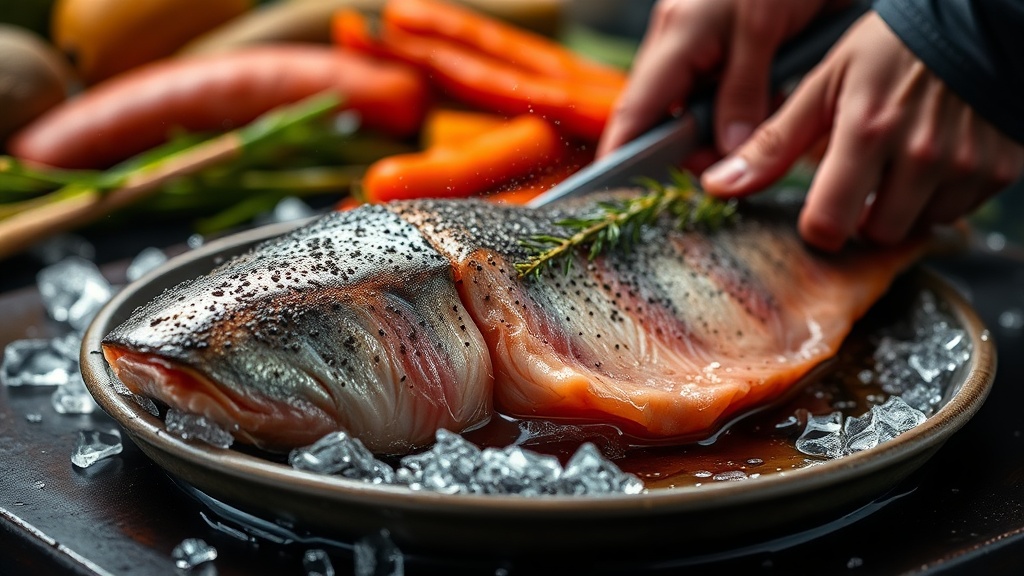
Finding the Best Local Salmon and Wild Game for Your Kitchen

Most people assume that buying high-quality salmon or wild game in Terrace means heading to a big-box grocery store and settling for frozen fillets. That's a mistake. This guide explains how to identify, source, and prepare premium local proteins—specifically Sockeye and Chinook salmon, as well as local deer and elk—directly from the Northern BC sources that actually matter.
The quality of your meal depends entirely on the source. If you're buying "wild-caught" salmon from a supermarket in the lower mainland, you're likely paying a premium for something that sat in a shipping container for days. Here, in the Skeena River valley, we have a massive advantage. We live right next to the source.
Where Can I Buy Fresh Local Salmon in Terrace?
You can find the best fresh salmon at local fishmongers, specialty butcher shops, or through direct-from-fishermen seasonal pop-ups. While big grocers carry salmon year-round, their stock is often frozen or sourced from far-off waters. For true quality, you want to look for seasonal availability when the runs are actually hitting the Skeena.
If you want the real deal, keep an eye on the seasonal cycles. Sockeye salmon is the gold standard in our region. It has a deep red color and a rich, fatty flavor that frozen, pale salmon simply can't match. When the run is active, the quality of the meat is at its peak.
A few things to look for when inspecting your fish:
- Color: For Sockeye, look for a deep, vibrant red. If it looks pale or brownish, it's not fresh.
- Texture: The flesh should be firm. If you press it with your finger and it stays indented, it's old.
- Smell: It should smell like the ocean or a fresh river—clean and salty. If it smells "fishy," walk away.
For those interested in the science of salmon populations and why seasonal runs matter, the Department of Fisheries and Oceans Canada provides extensive documentation on how these cycles work. Understanding these cycles helps you time your purchases perfectly.
Pro-tip: Don't be afraid to ask your butcher exactly when the fish was harvested. If they can't give you a timeframe, don't buy it.
How Do I Identify High-Quality Wild Game Meat?
High-quality wild game is identified by its lean texture, deep color, and the lack of "gamey" odor that comes from poorly handled meat. In our part of the world, deer and elk are the staples, but the quality varies wildly depending on whether the animal was harvested sustainably and processed quickly.
When you're looking at a piece of venison or elk at a local butcher, look for a dark, rich color. If the meat looks greyish, it’s been sitting too long. Also, pay attention to the fat. Wild game is naturally much leaner than farm-raised beef, so don't expect a thick layer of white fat. If you see a lot of fat, it might not be truly wild.
Here is a quick comparison of common wild game found in our region:
| Animal Type | Flavor Profile | Best Cooking Method |
|---|---|---|
| Deer | Mild, slightly sweet, very lean. | Pan-searing or quick grilling. |
| Elk | Stronger, more robust, much deeper flavor. | Slow braising or heavy seasoning. |
| Moose | Slow cooking or stews. |
It's worth noting that wild game can be tricky to cook if you aren't used to it. Because it lacks the fat of commercial beef, it can dry out in seconds. I've seen many people ruin a perfectly good piece of elk by overcooking it on a high flame. Treat it more like a delicate steak than a heavy roast.
What Is the Best Way to Prepare Salmon and Game?
The best way to prepare these proteins is to use methods that respect their natural flavors without masking them with heavy sauces. For salmon, high heat and simple seasoning usually win. For wild game, you often need to add moisture back into the equation.
For our local salmon, try the "skin-on" method. The skin protects the delicate flesh from the heat and provides a crispy texture that contrasts with the soft meat. A cast-iron skillet with a bit of butter and some fresh dill is all you really need. If you're grilling, keep the fire medium-high to get a nice sear without drying out the center.
When it comes to game, you have two paths: the "sear and serve" or the "slow and low."
- The Sear: If you have a high-quality cut of deer, sear it quickly in a hot pan. Aim for medium-rare. Anything more than medium will result in a texture that's tough and unappealing.
- The Braise: For tougher cuts of elk or moose, you need liquid. A slow cooker or a heavy Dutch oven is your best friend here. Add aromatics like rosemary, garlic, and perhaps a bit of local stout to build depth.
If you're a gardener trying to grow herbs to go with these meals, you might find tips for Northern BC gardening helpful for cultivating things like rosemary or thyme right in your backyard. Having fresh herbs on hand makes a massive difference in how these heavy proteins taste.
One thing I've learned the hard way: never use too much salt on wild game while it's cooking. It can draw out all the moisture, leaving you with a dry, salty mess. Season the meat, but don't drown it.
How Much Does Premium Local Protein Cost?
The price of premium local salmon and wild game is typically higher than standard grocery store fare due to the labor-intensive harvesting and smaller supply chains. You aren't just paying for the meat; you're paying for the expertise of the harvester and the freshness of the product.
Expect to pay a premium for Sockeye during the peak season. While it might seem expensive upfront, the flavor density means you often use less to achieve a satisfying meal. For wild game, prices can fluctuate based on hunting seasons and local availability. It's often better to buy in bulk when you find a reliable source and freeze it properly.
When buying, remember that "cheap" is often a red flag. If a "wild salmon" fillet is incredibly cheap, it's likely not actually wild or it's a lower-grade species. Don't fall for the marketing. Real quality has a price tag, but the taste is worth the investment.
If you're out and about in town and looking for a place to relax after a day of sourcing ingredients, check out these cozy local spots. Sometimes, a good coffee is the best way to plan your next big kitchen project.
Whether you're preparing a quick Tuesday night dinner or a large weekend feast, the source of your protein dictates the outcome. Don't settle for the generic stuff. Use the resources we have right here in Terrace to make your meals actually taste like the North.
Steps
- 1
Identify Seasonal Availability
- 2
Source from Trusted Local Vendors
- 3
Prep with Minimal Seasoning to Preserve Flavor
- 4
Cook Using Gentle Heat Methods